







7 распространенных ошибок при оценке проекта автоматизации
В ходе работы над проектами автоматизации складов мы часто сталкиваемся с одной и той же закономерностью: компании хотят начать с выбора и покупки роботов. В действительности же это уже середина процесса, а не его начало.
Чтобы получить максимальную отдачу от автоматизации, важно понимать, как сегодня функционирует склад, какие задачи лучше всего подходят для автоматизации и какие конкретные результаты ожидается от проекта.
Мы собрали набор практических рекомендаций, основанных на опыте клиентов и проблемах, с которыми компании чаще всего сталкиваются во время внедрения. Они могут помочь предприятиям более эффективно подготовиться к автоматизации и сформировать более четкое понимание того, чего можно реально достичь с помощью хорошо продуманного проекта.
Автоматизация склада редко начинается с покупки робота. Обычно она начинается с выявления существующих проблемных моментов: где предприятие теряет время, деньги и производительность — и почему?
Сотрудники могут тратить слишком много времени на перемещение между складскими помещениями. Товары могут простаивать в ожидании перемещения. Заказы могут накапливаться до сортировки. Нехватка рабочей силы усиливается в пиковые периоды. Количество ошибок в некоторых операциях увеличивается, в то время как для повышения производительности требуется почти пропорциональное увеличение численности персонала.
Именно такие ситуации побуждают компании рассматривать автоматизацию складских операций — использование роботов и других технологий для автоматизации отдельных операций и повышения эффективности процессов.
Однако решение об автоматизации не так просто, как может показаться на первый взгляд. Стоимость оборудования — лишь один из многих факторов, которые необходимо учитывать. Ниже приведены семь распространенных ошибок, которые компании допускают при оценке проектов автоматизации, и которые в конечном итоге могут помешать этим проектам принести ожидаемые результаты.
Ошибка № 1: Начинать с выбора оборудования.
Автоматизация — это не просто внедрение нового оборудования. Ее эффективность зависит от того, как организованы складские операции, какие проблемы необходимо решить и какие ограничения существуют на конкретном предприятии.
Именно поэтому оценка проекта должна начинаться не с выбора оборудования, а с выявления эксплуатационных проблем.
Важно также понимать, что преимущества автоматизации не всегда заключаются в прямой замене сотрудников роботами. Чаще всего автоматизация меняет всю организацию производственного процесса.
Возьмем в качестве примера ручную комплектацию заказов. Комплектовщик делает больше, чем просто берет товары со склада. Он следует по маршруту, находит необходимый товар, обходит оборудование и других работников, ждет пополнения запасов, возвращается в зону консолидации и передает готовый заказ на следующий этап.
На бумаге все это можно отнести к одной операции: “комплектация заказов”. На практике же на саму комплектацию товаров уходит лишь часть времени. Остальное время тратится на ходьбу, ожидание и перемещение внутри склада.
Благодаря решению "товар доставляется непосредственно оператору", товары больше не нужно преодолевать большие расстояния по складу или следовать длинным маршрутам комплектации заказов. Вместо этого они остаются на рабочем месте и выполняют задачу, для которой это место было предназначено: отбор необходимого количества товаров и подтверждение комплектации.
Экономическая выгода заключается не просто в “замене комплектовщика роботом”. Она заключается в том, что один оператор может обрабатывать больше позиций заказов в час, одновременно снижая себестоимость каждой позиции.
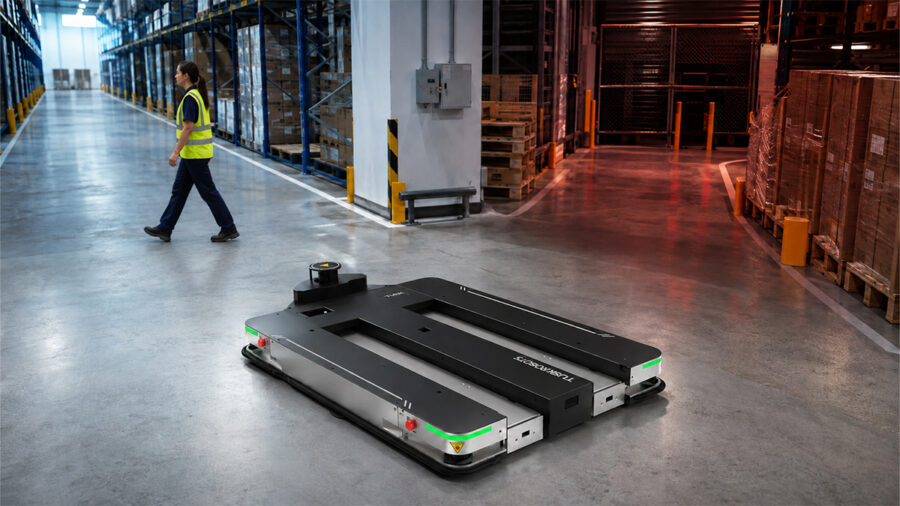
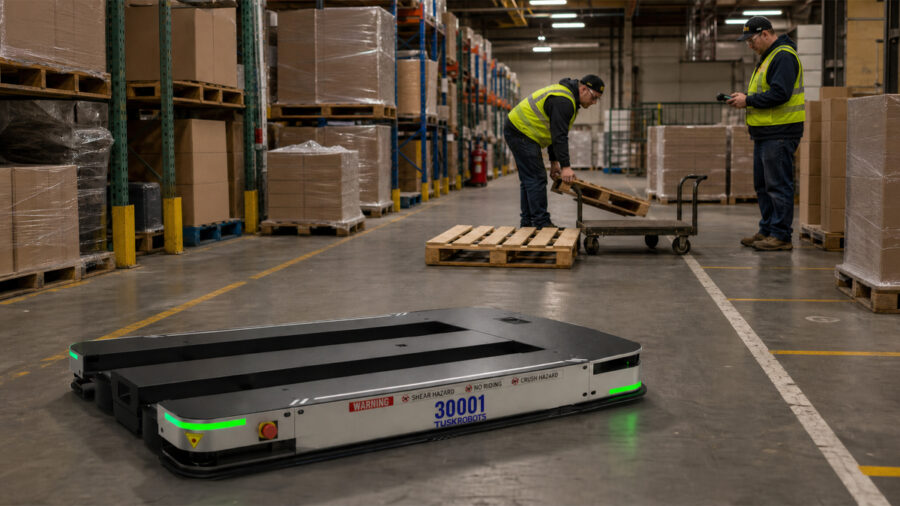
Тот же принцип применим и к автономным мобильным роботам (АМР). АМР, возможно, и не сократит напрямую численность персонала, но может устранить необходимость в ручном перемещении тележек между зонами приемки, хранения, комплектации, упаковки и отгрузки.
В результате сотрудники тратят меньше времени на ожидание транспорта, реже покидают свои рабочие места и выполняют основные задачи с меньшим количеством перерывов.
Именно поэтому один и тот же тип робота может демонстрировать отличные результаты на одном складе, но не оправдывать ожиданий на другом. Сначала определите проблему. Затем выберите технологию, которая её решает.

Ошибка № 2: Неспособность проанализировать текущие процессы.
Без базовых данных о текущих операциях на складе оценка преимуществ автоматизации сводится к не более чем обоснованным предположениям.
Для понимания того, что может изменить автоматизация, и окупятся ли инвестиции, необходимы измеримые критерии оценки.
Анализ часто показывает, что экономическая выгода достигается не за счет формальной замены одного сотрудника одной машиной, а за счет изменения всего процесса: маршрутов передвижения, использования рабочей силы, скорости обработки и координации между функциональными подразделениями.
Как минимум, соберите следующие данные:
- Какова загрузка этого участка? Сколько заказов, позиций заказов, коробок или поддонов обрабатывается за смену?
- Какова фактическая производительность? Сколько единиц продукции обрабатывается за один трудочас?
- Сколько времени занимает каждая операция?
- Как распределяется рабочее время? Какая часть тратится непосредственно на комплектацию, сортировку или упаковку, а какая теряется на ходьбу, ожидание, поиск товаров или исправление ошибок?
- Какова длина и структура маршрутов для сотрудников и техники?
- Как часто происходят ошибки, возвраты и неправильный отбор товаров?
- Сколько стоит обработка одного заказа, строки заказа, коробки или поддона?
- Какие существуют дополнительные затраты? Сколько тратится на сверхурочную работу и временный персонал, и каковы затраты на простои оборудования и рабочей силы?

Затем следует сравнить два сценария за тот же период: операции без автоматизации и операции после ее внедрения.
Базовый сценарий должен учитывать не только текущие затраты, но и то, как эти затраты, как ожидается, изменятся по мере роста объемов производства. Сколько дополнительных сотрудников потребуется нанять? Потребуется ли еще одна смена? Увеличатся ли затраты на сверхурочную работу, обучение и контроль качества?
Сценарий автоматизации должен включать капитальные вложения, операционные расходы, оставшиеся затраты на оплату труда и ожидаемое повышение производительности.
Ошибка № 3: Предположение, что робот должен заменить человека.
Автоматизацию складских операций не следует оценивать исключительно по ее способности сократить численность персонала.
Иногда главное преимущество заключается в том, что по мере роста объемов компании не нужно нанимать еще 20 или 30 сотрудников. Для быстрорастущего склада отказ от дополнительного найма может быть более ценным, чем прямое сокращение штата.
Благодаря робототехнике складская логистика превращается в скоординированную систему, объединяющую людей, оборудование и информационные системы.
Робот получает задания от системы управления складом (WMS), перемещает товары, контейнеры или поддоны, подтверждает выполнение и передает груз на следующий этап. Сотрудники продолжают выполнять действия, требующие визуального осмотра, обработки нестандартных товаров, принятия решений или управления нестандартными ситуациями.
В результате количество сотрудников может остаться неизменным. Изменится лишь то, как используется их рабочее время.
До автоматизации сотрудник мог тратить значительную часть своей смены на ходьбу, ожидание тележки или поиск доступного оборудования. После автоматизации многие из этих не приносящих пользы видов деятельности можно сократить.

Автоматизация может повысить производительность труда несколькими способами:
- Тот же объем заказов может быть обработан меньшим количеством сотрудников, работающих посменно.
- Имеющийся штат сотрудников способен справиться с более высокой производительностью.
- Потребность в сезонном найме персонала может быть снижена.
- Количество сверхурочных часов может быть сокращено.
- Новые сотрудники могут быстрее достичь необходимого уровня производительности.
Ошибка № 4: Учет только стоимости приобретения роботов.
Многие компании начинают планирование бюджета с оценки стоимости роботизированного оборудования. Но это лишь одна часть общей стоимости проекта.
Если не учитывать затраты на проектирование, внедрение, интеграцию, инфраструктуру и текущие эксплуатационные расходы, экономическая оценка будет неполной.
Скрытые затраты на оборудование и инфраструктуру
Робот может показаться готовым к использованию устройством, которое нужно просто доставить на склад. В действительности же промышленная эксплуатация начинается с подготовки среды, в которой оборудование должно безопасно и надежно работать.
В зависимости от системы, это может включать зарядные станции, аккумуляторы, локальную или облачную инфраструктуру, точки беспроводного доступа, системы позиционирования и оборудование для обеспечения безопасности.
В некоторых проектах подготовка объекта может потребовать инвестиций, сопоставимых со стоимостью самих роботов.
Возможные изменения включают:
- Выравнивание или ремонт пола;
- Маркировка маршрута;
- Барьеры и зоны безопасности;
- Модификации стеллажей;
- Автоматические ворота;
- Интеграция с лифтами и конвейерами;
- Дополнительные датчики;
- Рабочие места операторов;
- Меры противопожарной защиты и эвакуации.
Даже когда сам склад будет готов к роботизированной эксплуатации, останутся дополнительные затраты на проект.

Затраты на проектирование и внедрение
Проектирование и внедрение систем — еще одна область, которую часто недооценивают.
Эти расходы могут включать в себя:
- Обследования местности;
- Моделирование материальных потоков;
- проектирование целевого процесса;
- интеграция с платформами WMS, ERP, WCS или WES;
- Настройка обмена данными о задачах и состоянии;
- тестирование сценариев;
- разработка процедур действий в чрезвычайных ситуациях;
- Обучение операторов и технического персонала;
- развертывание пилотной зоны;
- поддержка при запуске в эксплуатацию;
- обновления операционных процедур и должностных инструкций.
Чем сложнее процесс, тем большая доля общего бюджета проекта может потребоваться для интеграции.
Робот должен быть интегрирован в процесс: он должен знать, откуда брать задание, куда доставлять груз, что делать, когда целевая точка занята, как реагировать на препятствия и как сообщать о своем состоянии в систему управления.
После завершения реализации проект переходит в стадию эксплуатации, что влечет за собой собственные текущие расходы.
Эксплуатационные расходы
Эксплуатационные расходы могут включать техническое обслуживание, запасные части, батареи, лицензии на программное обеспечение, техническую поддержку, электроэнергию, связь, обновления программного обеспечения и обучение новых сотрудников.
Следует также учитывать плановые и внеплановые простои. Даже надежная роботизированная система требует технического обслуживания. Поэтому проекту необходимы достаточные резервы мощностей, окна обслуживания и операционные процедуры на случай, если часть парка оборудования недоступна.
Ещё одним важным фактором является модель финансирования.
Покупка или RaaS: выбор правильной модели
Приобретение оборудования — не единственный вариант. Многие компании также рассматривают модель RaaS — робототехника как услуга. В рамках этой модели клиент оплачивает использование роботизированного оборудования по подписке, которая может основываться на количестве роботов, часах работы или выполненных операциях.
Главное преимущество — меньшие первоначальные инвестиции. Вместо того чтобы приобретать всю систему сразу, компания платит регулярную абонентскую плату, которая может также включать программное обеспечение, техническое обслуживание, ремонт и обновления.
Однако в долгосрочной перспективе подписка может обойтись дороже, чем покупка оборудования в собственность. RaaS также может увеличить зависимость от поставщика. Уровни обслуживания, условия повышения цен и возможность быстрого расширения парка роботов могут зависеть от поставщика.
Выбор между покупкой и услугой RaaS должен учитывать продолжительность проекта, сезонность и ожидаемую рабочую нагрузку.
Для стабильных и высокопредсказуемых операций приобретение роботов может быть более экономически выгодным. Для пилотных проектов, быстрорастущих предприятий или предприятий с выраженной сезонностью RaaS может снизить риски и позволить протестировать технологию с меньшими первоначальными инвестициями.
Таким образом, стоимость роботизированного оборудования — это лишь одна составляющая бюджета проекта. Надлежащая экономическая оценка должна учитывать весь жизненный цикл системы — от подготовки и внедрения объекта до эксплуатации и технического обслуживания.
Ошибка № 5: Неправильная оценка экономической выгоды.
Роботы могут сократить время, необходимое для перемещения товаров, снабжения контейнеров, транспортировки паллетов, сортировки грузов, проведения инвентаризации и перемещения грузов между функциональными зонами.
Однако автоматизацию не следует оценивать исключительно по сроку окупаемости, количеству внедренных роботов или числу сотрудников, исключенных из процесса. Ее влияние гораздо шире.
Прямой эффект: снижение затрат на операцию.
Прямой экономический эффект автоматизации в значительной степени связан с сокращением трудозатрат, необходимых для каждой операции. По этой причине одним из наиболее полезных показателей является себестоимость одной операции.
Экономика складского хозяйства основана на повторении.
Экономия нескольких секунд на выполнении одной задачи может показаться незначительной. Но в тысячах операций за смену, с участием десятков сотрудников и сотнями рабочих дней эти секунды могут суммироваться до целой рабочей смены.
Полезными показателями себестоимости единицы продукции могут быть следующие:
- Стоимость обработки одной позиции заказа;
- Стоимость за каждый собранный заказ;
- Стоимость перемещения одного поддона;
- Стоимость сортировки одной партии товара;
- Стоимость обработки одного возврата;
- Учитывалась стоимость каждого места хранения.
Предположим, что до автоматизации 10 сотрудников в одном отделе обрабатывали 1000 позиций заказов за смену. После автоматизации тот же персонал обрабатывает 1600 позиций.
Численность персонала не изменилась, но затраты на оплату труда по каждой производственной линии значительно снизились. Компания может обрабатывать больше заказов без увеличения количества смен, найма временного персонала или введения сверхурочных.
Эти прямые улучшения производительности проще всего перевести в денежный эквивалент, но они представляют собой лишь часть общего эффекта автоматизации.

Косвенный эффект: более стабильные и контролируемые процессы.
Косвенные выгоды иногда могут быть сопоставимы с прямой экономией на оплате труда.
Автоматизация сокращает количество ручных операций и делает последовательность действий более прозрачной и контролируемой. Система управления складом (WMS) генерирует задачу, робот выполняет перемещение, а система регистрирует состояние и запускает следующий шаг.
Чем меньше неформальных и не отслеживаемых действий — “оставьте здесь”, “переместим позже”, “забыли подтвердить” — тем выше становится прозрачность процесса.
Автоматизация может помочь сократить:
- ошибки при комплектации заказов;
- неправильный выбор;
- повреждение товара;
- Возвраты, вызванные ошибками обработки заказов;
- потерянные контейнеры и тележки;
- задержки при переброске грузов между районами;
- простои, вызванные недоступностью транспорта;
- время, затраченное на ручное расследование ошибок и сбоев.
Для интернет-магазина это может означать меньшее количество отмен заказов и более быструю обработку заказов. Розничная сеть может более регулярно пополнять запасы в магазинах и сокращать случаи отсутствия товаров на складе и в торговом зале. Оператор 3PL может обслуживать больше клиентов без увеличения штата сотрудников или расширения складских помещений.
Эти улучшения не всегда сразу отражаются в финансовой отчетности, но со временем они могут оказать существенное влияние на эффективность работы склада.

Стратегический эффект: способность к масштабированию
Стратегические выгоды сложнее выразить в денежном эквиваленте, но они могут определять, насколько эффективно будет функционировать предприятие в течение нескольких лет в будущем.

В долгосрочной перспективе автоматизация может обеспечить ряд важных преимуществ:
- Масштабируемость. По мере роста объемов компания может добавлять роботов, рабочие места или смены, не перестраивая полностью производственный процесс и не увеличивая резко штат сотрудников. Это особенно важно на рынках, где у операторов складов возникают трудности с набором и удержанием персонала.
- Более стабильная работа в периоды сезонных пиков. Вместо того чтобы в срочном порядке нанимать большое количество временных сотрудников, компании могут увеличить вместимость автопарка, скорректировать графики и перераспределить материальные потоки между подразделениями.
- Более высокая оперативная прозрачность и контроль. Роботы работают не изолированно, а как часть цифровой среды склада. Задачи, перемещения, задержки и исключения могут регистрироваться в информационной системе.
Это позволяет руководству получить более четкое представление о работе объекта и помогает выявить:
- где образуются очереди;
- Какие маршруты перегружены?;
- сколько времени занимает отдельная операция;
- Какие области испытывают недостаток ресурсов;
- где сотрудники или оборудование простаивают.
Таким образом, автоматизация делает больше, чем просто автоматизирует отдельные операции. Она также генерирует данные, которые могут способствовать принятию более обоснованных управленческих решений и планированию будущих производственных мощностей.
Поэтому при оценке проекта следует учитывать как текущую экономию, так и долгосрочные стратегические преимущества автоматизации.
После определения всех составляющих экономического воздействия можно приступать к количественной оценке.
Как оценить экономическую выгоду: окупаемость — это еще не все.
Один лишь срок окупаемости не дает полной картины.
Проект может иметь четырехлетний срок окупаемости, но при этом уже в первый год устранить ограничение, препятствующее обработке растущих объемов складскими помещениями. И наоборот, привлекательный расчет двухлетнего срока окупаемости может не учитывать затраты на обслуживание, интеграцию и фактическое время простоя.
Таким образом, комплексная оценка должна учитывать как финансовые показатели, так и изменения в производительности, качестве процессов и будущих мощностях.
В упрощенном виде:
Общая экономическая выгода = экономия на затратах на рабочую силу + предотвращение затрат на наем персонала + экономия за счет уменьшения количества ошибок и простоев + дополнительная прибыль, полученная за счет повышения производительности.
К полезным показателям относятся:
- Срок окупаемости;
- ROI;
- Чистая приведенная стоимость;
- Внутренняя норма доходности (ВНР);
- Стоимость одной операции до и после автоматизации;
- Производительность труда в расчете на один отработанный час;
- Производительность на квадратный метр;
- Максимальная пропускная способность района.
Ошибка № 6: Немедленное масштабирование вместо проведения пилотного проекта.
Одна из самых распространенных ошибок — это развертывание роботизированной системы на всей территории склада с самого начала.
Даже если выбранная технология выглядит многообещающей, пилотный проект позволяет компании проверить, действительно ли ожидаемые показатели производительности и экономические результаты могут быть достигнуты в реальных условиях эксплуатации.
В пилотном проекте следует сосредоточиться на процессе, в котором проблема уже ясна и измерима — например, транспортировка контейнеров между зонами, комплектация заказов, сортировка грузов или инвентаризация.
Перед началом пилотного проекта определите базовые показатели:
- Количество операций за смену;
- Время обработки одной единицы продукции;
- Трудовые потребности;
- Количество ошибок;
- Время ожидания;
- Фактическое использование территории;
- Стоимость одной операции;
- Производительность в пиковые периоды.

Затем роботизированное решение можно внедрить в выбранной области. Это дает команде возможность протестировать систему и внести корректировки, а также позволяет сотрудникам ознакомиться с новым оборудованием.
Не стоит делать выводы по итогам первого дня работы. Сотрудникам нужно время на адаптацию, маршруты и правила эксплуатации должны стабилизироваться, а некоторые проблемы могут проявиться только при работе системы на полную мощность.
После того как пилот достигнет стабильных условий эксплуатации, снова измерьте те же показатели и сравните их с базовыми значениями.
Обращайте внимание не только на среднюю производительность, но и на стабильность: как работает участок на протяжении всей смены, как он работает в пиковые периоды, как часто требуется ручное вмешательство и что происходит, когда часть оборудования недоступна.
Ошибка № 7: Автоматизация процессов, которые не подходят для автоматизации.
Решение должно основываться не на желании автоматизировать склад любой ценой, а на четком понимании проблемы, которую призвана решить автоматизация.
Автоматизация наиболее эффективна, когда операция:
- часто повторяется;
- следует четкому маршруту и последовательности;
- требует значительных трудозатрат;
- ограничивает пропускную способность;
- требует стабильного выполнения SLA;
- Масштабирование за счет увеличения штата затруднительно.
Иногда проблема заключается не в технологии, а в базовом процессе работы склада.
Если производственные процессы не стандартизированы, автоматизация может лишь усугубить существующую неэффективность.

Роботы не требуются на каждом складе или для выполнения каждой задачи. При небольших объемах, нестабильных потоках и постоянно меняющихся задачах затраты на интеграцию могут превысить потенциальную экономию.
Автоматизация также с трудом сможет обеспечить ожидаемые результаты, если базовый процесс не будет должным образом организован.
Если данные об инвентаризации в системе управления складом неточны, места хранения неправильно обозначены, задачи генерируются с задержкой, а сотрудники полагаются на неформальные правила работы, робот просто автоматизирует существующий хаос.
Как избежать этих ошибок
Многие ошибки в проектах автоматизации складов возникают еще до того, как будет выбрана конкретная технология.
Вероятность успешной реализации значительно возрастает, если компания:
- Начинается с анализа процесса.
- Определяет фактические ограничения объекта.
- Оценивает общую стоимость проекта.
- Учитывает прямые, косвенные и стратегические выгоды.
- Перед масштабированием проводит тестирование выбранного решения на пилотном участке.
Автоматизация — это не самоцель. Это инструмент для повышения эффективности работы склада. Результат зависит не только от возможностей оборудования, но и от качества подготовки проекта, а также от того, насколько выбранное решение соответствует требованиям конкретного объекта.




Оставить ответ