







Consumer-Geräte vs. robuste Unternehmensgeräte
Großunternehmen sind auf schnelle und präzise digitale Arbeitsabläufe angewiesen. Bei der Hardwareauswahl wägen sie zwischen Consumer-Geräten (bekannte Smartphones, Tablets) und robusten, für den häufigen Einsatz konzipierten Geräten für den Unternehmenseinsatz ab.
Warum Unternehmen sich für Geräte für Endverbraucher entscheiden
Die für Endverbraucher geeignete Lösung gewinnt oft, da die Anwender die Benutzeroberfläche kennen und die Anschaffungskosten geringer erscheinen. Einkaufsteams nutzen diese Einsparungen, um die Budgets zu begrenzen.
Manchmal ist diese Wahl die richtige. Ein Gerät für Endverbraucher ist ausreichend, wenn die Arbeit wenig anspruchsvoll ist, die Umgebung kontrolliert ist und das Gerät nicht geschäftskritisch ist. Benötigt ein Team hauptsächlich E-Mails, Formulare, Nachrichten, Fotos, Karten oder einfache Browserfunktionen, bietet ein vertrautes Smartphone oder Tablet alles Notwendige ohne unnötigen Aufwand.
Verbrauchergeräte sind auch dann sinnvoll, wenn es mehr auf schnelle Einsatzbereitschaft als auf langfristige Haltbarkeit ankommt. Sie sind überall verfügbar, leicht zu ersetzen und erfordern kaum Schulung. Bei kurzen Projekten, Pilotprogrammen, saisonalen Teams, Auftragnehmern oder Tätigkeiten mit geringer Umwelteinwirkung lohnt sich der Aufpreis für robuste Hardware kaum.
Wenn wir unseren Fokus jedoch auf anspruchsvollere Branchen richten, wird das Bild komplizierter.
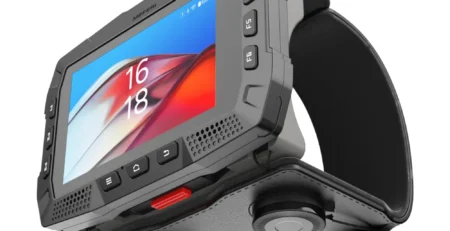
Für Unternehmen, die einen benötigen Datenerfassungsterminal im Lager Für den reibungslosen Ablauf des Tagesgeschäfts ist der ME61 bestens geeignet. Er übernimmt Wareneingang, Einlagerung, Kommissionierung, Verpackung, Inventur – alle üblichen Lagerarbeiten. 4G- und Wi-Fi-5-Konnektivität mit nahtlosem Roaming sorgen für eine stabile Kommunikation zwischen den Zugangspunkten und gewährleisten so den unterbrechungsfreien Betrieb von Unternehmensanwendungen in Lagern, Einzelhandelsumgebungen, Logistikzentren und Außendiensten.
Der ME61 ist ein ausgewogener mobiler Unternehmenscomputer, der für Unternehmen entwickelt wurde, die zuverlässiges Barcode-Scannen, stabile drahtlose Kommunikation, robusten Schutz und eine effiziente tägliche Arbeitsablaufleistung benötigen und gleichzeitig ein praktisches Gleichgewicht zwischen Funktionalität, Ergonomie, Leistung und Kosteneffizienz wahren.
Die Unterschiede zwischen Consumer- und robusten Enterprise-Geräten
Ausfallzeiten und betriebliche Verzögerungen
Ausfallzeiten sind teuer.
Fällt ein Datenerfassungsterminal während einer Schicht aus, sind die Auswirkungen unmittelbar:
- Ein Lagerkommissionierer kann Bestellungen nicht bestätigen.
- Ein Zustellfahrer kann den Zustellnachweis nicht scannen.
- Ein Einzelhandelsangestellter darf den Lagerbestand nicht prüfen.
- Ein Produktionsmitarbeiter darf keine Produktionsdaten erfassen.
- Ein Außendiensttechniker kann keine Serviceaufzeichnungen aktualisieren.
Geräte für Endverbraucher sind anfälliger für Unfälle am Arbeitsplatz. Ein Sturz auf Beton kann zu Defekten führen. Selbst ein gesprungener Bildschirm kann die Nutzung des Geräts erschweren oder gar gefährlich machen. Schutzhüllen von Drittanbietern reduzieren zwar Schäden durch leichte Stürze, bieten aber in der Regel nicht denselben Schutz vor Stößen und Abdichtung.
Robuste Geräte für den Unternehmenseinsatz sind so konstruiert, dass diese Risiken minimiert werden. Sie werden typischerweise auf Fallfestigkeit getestet. Auch Temperatur- und Stoßbeständigkeit werden berücksichtigt. Die IP-Schutzart ist eine Spezifikation, die die Langlebigkeit des Geräts misst. Eine höhere IP-Schutzart gewährleistet, dass das Gerät selbst unter widrigsten Bedingungen zuverlässig funktioniert.
Probleme mit defekten Geräten gehen über Ausfallzeiten und Reparaturen hinaus:
- Verzögerte Lieferungen;
- Servicezeiten verpasst;
- Geringere Produktivität;
- Im Laufe der Zeit;
- Kundenbeschwerden;
Und vergessen wir nicht den Bedarf an manuellen Behelfslösungen. Wenn Mitarbeiter aufgrund fehlender Geräte auf Papier zurückgreifen müssen, leidet die Datengenauigkeit, und Prozesse verlangsamen sich. Ein unzuverlässiges Gerät wird so in mehreren Bereichen zum Flaschenhals.
Scanleistung

Dieser Unterschied ist wichtig, da sich Verzögerungen beim Scannen summieren. Scannt ein Lagerarbeiter täglich Tausende von Artikeln, führen selbst ein oder zwei Sekunden Verzögerung pro Scan zu stundenlangen Produktivitätsverlusten im gesamten Team.
Hier stoßen Consumer-Geräte häufig an ihre Grenzen. Eine Smartphone-Kamera kann zwar Barcodes scannen, ist aber nicht mit einem professionellen Scanner vergleichbar. Kamerabasiertes Scannen ist oft langsamer, ungenauer und bei schlechten Lichtverhältnissen, ungünstigen Winkeln oder beschädigten Etiketten weniger zuverlässig. Ein fehlgeschlagener Scan erfordert möglicherweise eine manuelle Dateneingabe, was zu Fehlern führen kann. Solche Fehler wiederum ziehen kostspielige Folgeprobleme nach sich.
Robuste Geräte für den Unternehmenseinsatz sind hingegen in der Regel mit dedizierten 1D- oder 2D-Scanmodulen ausgestattet. Diese Scanner sind auf Geschwindigkeit, Genauigkeit und wiederholten Einsatz ausgelegt. Sie erfassen Barcodes schnell, selbst wenn Etiketten fehlerhaft sind. Viele Modelle unterstützen zudem große Reichweiten, omnidirektionale Scans und eine leistungsstarke Dekodierung.
Akkulaufzeit und Schichtunterbrechungen
Viele Geschäftsabläufe erfordern lange Schichten. Geräte sollten acht, zehn oder zwölf Stunden Dauerbetrieb aushalten. Verbrauchergeräte sind dafür nicht immer ausgelegt. Ständiges Scannen und Unternehmensanwendungen entladen die Akkus schnell. Ist der Akku nicht austauschbar, müssen Mitarbeiter möglicherweise die Geräte aufladen. Dies führt zu Ausfallzeiten und stört die Arbeitsabläufe.
Robuste Business-Terminals verfügen über größere Akkus und Ladegeräte für den Mehrschichtbetrieb. Bei einigen Geräten können die Mitarbeiter den Akku austauschen, ohne das Terminal auszuschalten, sodass die Arbeit ohne Unterbrechung fortgesetzt werden kann.
Das Batteriemanagement ist besonders wichtig, wenn in einem Lagerhaus kein bequemer Zugang zu Ladegeräten besteht.
Arbeitsproduktivität

Geräte für Endverbraucher wirken vertraut, doch Vertrautheit bedeutet nicht automatisch Effizienz. Bei hohem Datenaufkommen spielen Designunterschiede eine wichtige Rolle.
Ein robustes Terminal verfügt über:
- Spezielle Scan-Tasten an mehreren Seiten;
- Ein Pistolengriff für wiederholtes Scannen;
- Lautere Lautsprecher für laute Umgebungen;
- Hellere Bildschirme für den Außeneinsatz;
- Programmierbare Tasten für wiederkehrende Aufgaben;
Diese Funktionen reduzieren den Bedienaufwand. Mitarbeiter können scannen, ohne nach einer Schaltfläche auf dem Bildschirm suchen zu müssen, das Gerät einhändig bedienen, Warnmeldungen in lauten Umgebungen hören und Aufgaben schneller erledigen.
Geräte für Endverbraucher setzen häufig stark auf Touchscreens. Dies erweist sich als unpraktisch, wenn Mitarbeiter Handschuhe tragen, Pakete handhaben, in feuchter Umgebung arbeiten oder schnell scannen müssen, während sie sich bewegen. Manche Bildschirme sind für industrielle Umgebungen zu empfindlich oder spiegeln zu stark.
Die Folge? Längere Arbeitsabläufe und mehr Frustration. Wenn Mitarbeiter Probleme mit den Geräten haben, greifen sie zu Notlösungen, was oft bedeutet, dass Scans ausgelassen, Aktualisierungen verzögert, handschriftliche Notizen gemacht oder Daten fehlerhaft eingegeben werden.
IT-Support
Verbrauchergeräte unterscheiden sich wie folgt:
- Modell;
- Version des Betriebssystems;
- Supportrichtlinien des Herstellers;
- Batteriezustand;
- Zubehörkompatibilität.
Wenn die Unternehmensrichtlinie “Bring Your Own Device” lautet, wird die Standardisierung schwieriger.
Robuste Enterprise-Geräte sind für das Flottenmanagement konzipiert. Sie unterstützen Mobile-Device-Management-Systeme, Fernkonfiguration, App-Sperre, barcodebasierte Bereitstellung, Sicherheitsrichtlinien, Firmware-Steuerung und Lebenszyklusmanagement. Viele Hersteller, wie beispielsweise MEFERI, bieten Enterprise-Tools an, die die Bereitstellung und den Support vereinfachen.
Dies ist wichtig, wenn ein Unternehmen Hunderte von Geräten an verschiedenen Standorten verwalten muss. IT-Teams müssen Updates bereitstellen, nicht autorisierte Apps einschränken, den Gerätezustand überwachen, verlorene Geräte sperren, WLAN konfigurieren und Fehlerbehebungen per Fernzugriff durchführen.
Bei Endgeräten verbringen IT-Teams unter Umständen mehr Zeit mit der Behebung vermeidbarer Probleme. Geräte aktualisieren sich möglicherweise automatisch zu ungünstigen Zeitpunkten, verlieren die Kompatibilität mit Geschäftsanwendungen oder werden früher als erwartet nicht mehr unterstützt.
Sicherheits- und Compliance-Risiken
Sensible Geschäftsdaten können einem Unternehmen schaden, wenn sie in falsche Hände geraten. Ein herkömmliches Tablet birgt dieses Risiko. Mitarbeiter installieren wahllos Apps, nutzen öffentliche WLAN-Netze oder deaktivieren den Passcode, weil er sie als “nervig” empfinden. Sie vermischen berufliche und private Daten auf einem Gerät.
Dann geht das Gerät verloren. Keine erzwungene Verschlüsselung? Keine Möglichkeit zum Fernlöschen? Das ist ein potenzielles Compliance-Risiko. Die Folgen eines einzigen Datenlecks sind Bußgelder, forensische Prüfungen und ein Reputationsschaden, der die Kosten für angemessene Ausrüstung bei Weitem übersteigt.
Robuste Geräte für den Unternehmenseinsatz kehren das um. In einer verwalteten Umgebung sperrt die IT das Gerät ab:
- Es werden nur zugelassene Apps ausgeführt.
- Das Einspielen von Patches erfolgt nach einem Zeitplan.
- Die Möglichkeit, ein Gerät zu löschen.
Sie lassen sich nahtlos in bestehende Authentifizierungsumgebungen integrieren, und es gibt keine fragwürdigen Umgehungslösungen. Die Hardware selbst verfügt oft über Schlüsselspeicher und eine manipulationsbedingte Selbstzerstörungsfunktion für Daten. Diese zusätzliche Kontrolle verringert die Angriffsfläche erheblich und vereinfacht Audits deutlich.
Zubehör-Ökosystem

Das Gerät selbst ist nur der Anfang. Die Extras sind genauso wichtig.
Ein robustes Datenerfassungsterminal ist mit einer Vielzahl von Erweiterungen kompatibel:
- Ladestationen;
- Mehrfachladegeräte;
- Fahrzeugdocks;
- Gürtelholster;
- Handschlaufen;
- Pistolengriffe;
- Displayschutzfolien;
- Separate Ladegeräte;
- RFID-Module;
- Zahlungsmodule;
- Montagesysteme;
Diese Extras sorgen dafür, dass sich das Terminal der Enterprise-Klasse nahtlos in den Arbeitsalltag einfügt.
Für Endverbraucher gibt es dieses Ökosystem nicht. Unternehmen greifen daher oft auf Drittanbieter-Gehäuse, Bluetooth-Scanner, Standardhalterungen und billige Ladegeräte zurück. Das Problem? Diese Geräte sind nicht langlebig, nicht standardisiert und die Verwaltung eines ganzen Fuhrparks ist umständlich.
Klar, ein mit einem Bluetooth-Scanner gekoppeltes Smartphone wirkt flexibel. Aber dann muss man zwei Geräte gleichzeitig laden, hat zwei potenzielle Fehlerquellen und riskiert, dass eines der Geräte verloren geht.
Konnektivität
Viele Datenerfassungsprozesse sind auf Echtzeitverbindungen angewiesen. Lagerhallen benötigen eine zuverlässige WLAN-Abdeckung. Außendienstmitarbeiter benötigen möglicherweise 4G- oder 5G-Verbindungen. Lieferfahrer wechseln unter Umständen zwischen verschiedenen Mobilfunknetzen. Einzelhandelsmitarbeiter scannen Produkte im Verkaufsraum, im Lager und an Abholstationen.
Consumer-Geräte funktionieren unter normalen Bedingungen gut, robuste Enterprise-Geräte bieten jedoch häufig Konnektivitätsfunktionen, die für Geschäftsumgebungen optimiert sind. Dazu gehören ein verbessertes Wi-Fi-Roaming, Unterstützung für Unternehmensauthentifizierung, ein optimiertes Antennendesign und Kompatibilität mit industriellen Netzwerken.
Schwache Verbindungen verursachen Verzögerungen und Fehler. Verliert ein Terminal während des Scannens die Verbindung, werden die Daten möglicherweise nicht sofort synchronisiert. Mitarbeiter wiederholen unter Umständen Aufgaben, erstellen Duplikate von Datensätzen oder arbeiten weiter, ohne zu wissen, ob das System aktualisiert wurde.
Branchenspezifische Anforderungen
Ein Kühlhaus benötigt möglicherweise Terminals, die auch bei Minustemperaturen zuverlässig funktionieren und Kondensation verhindern. Ein Krankenhaus benötigt unter Umständen Geräte, die regelmäßig desinfiziert werden können. Eine Produktionsanlage benötigt möglicherweise Geräte, die staub-, öl- und vibrationsbeständig sind. Ein Lieferdienst benötigt unter Umständen helle Bildschirme und zuverlässige mobile Konnektivität. Eine Einzelhandelskette benötigt möglicherweise leichte Terminals mit exzellenter Scanleistung und langer Akkulaufzeit.
Consumer-Geräte sind universell einsetzbar. Robuste Enterprise-Geräte können für spezifische Anforderungen und Zertifizierungen ausgewählt werden. Einige Modelle sind für den Einsatz im Gesundheitswesen, in Gefahrenbereichen, in der Kühlkette, in der Logistik, in der Fertigung oder im Einzelhandel konzipiert.
Wie man das richtige Datenerfassungsterminal auswählt

Unternehmen sollten mit dem Arbeitsablauf beginnen, nicht mit dem Gerät.
Vor der Auswahl der Hardware sollten sie sich praktische Fragen stellen:
- Wo wird das Gerät eingesetzt werden?
- Wie viele Scans führen die Mitarbeiter pro Schicht durch?
- Sind die Barcodes beschädigt, zu weit entfernt, zu klein oder schlecht gedruckt?
- Werden die Mitarbeiter Handschuhe tragen?
- Ist die Umgebung staubig, feucht, kalt, heiß oder laut?
- Wie lange muss der Akku halten?
- Wird das Gerät von mehreren Mitarbeitern gemeinsam genutzt?
- Benötigt es WLAN, Mobilfunk, GPS, NFC, RFID oder eine Kamerafunktion?
- Welche Software wird darauf laufen?
- Wie viele Jahre sollte es im Einsatz bleiben?
- Wie wird die IT-Abteilung die Fahrzeugflotte verwalten und sichern?
Die Antworten zeigen in der Regel, ob Consumer-Hardware ausreicht oder ob robuste Enterprise-Hardware erforderlich ist.
Für gelegentliches Scannen in kontrollierten Umgebungen sind Consumer-Geräte ausreichend. Für unternehmenskritische Datenerfassung, Scannen großer Datenmengen, industrielle Umgebungen, Logistikprozesse, Außendienst und Langzeiteinsätze sind robuste Enterprise-Geräte jedoch in der Regel die sicherere und kostengünstigere Wahl.
Abschluss
Entscheidend ist, Geräte für Endverbraucher nicht einfach abzulehnen. Vielmehr gilt es zu verstehen, dass ein niedriger Verkaufspreis selten die niedrigsten Gesamtkosten bedeutet. Man spart zwar zunächst, doch versteckte Kosten wie Ausfälle, Ausfallzeiten und vorzeitiger Austausch entstehen schnell. Diese Kosten fressen die anfänglichen Einsparungen rasch auf.
Ein robustes Enterprise-Terminal ist in der Anschaffung teurer. Es ist jedoch auf Langlebigkeit ausgelegt und hält Stürzen, Vibrationen und Dauereinsatz problemlos stand. Die Ausfallrate bleibt niedrig, die Leistung über Jahre konstant. Die wahren Vorteile zeigen sich erst nach einiger Zeit, wenn Consumer-Alternativen bereits zum zweiten oder dritten Mal ersetzt werden müssten. Durch die Vermeidung von häufigen Ausfällen und damit verbundenen Kosten ist das robuste Gerät insgesamt oft günstiger.





Hinterlasse einen Kommentar